Chapter 1. The “Obsession” Phase: From Dorm Room Crashes to World Domination
DJI’s origin story isn’t your typical corporate PowerPoint. It’s the result of one guy, Frank Wang, being absolutely, pathologically obsessed with flight. Born in 1980 to an engineer dad, Frank didn’t want a bike; he wanted a “flying fairy”—a camera that could follow him everywhere.
The “Grind” Timeline:
-
The Epic Fail: For his 16th birthday, he got a hobby helicopter and trashed it on day one. Most kids would cry; Frank decided right then that flight needed to be “idiot-proof.”
-
The Pivot: He actually started with a psychology degree before talking his way into the Hong Kong University of Science and Technology in ’03.
-
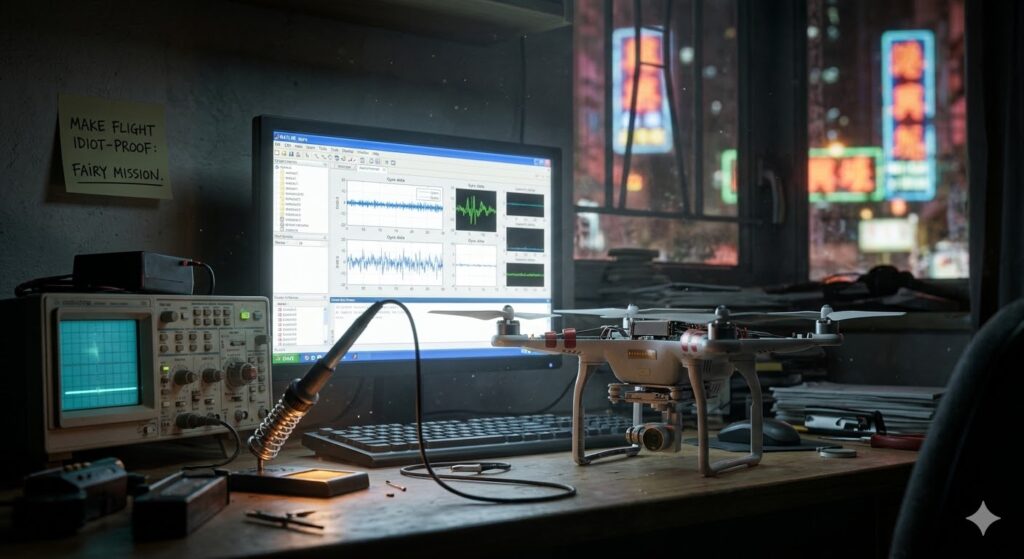
The Dorm Startup: In 2006, DJI was born in a literal dorm room. Frank dumped his entire scholarship fund into building “brains” (flight controllers) that wouldn’t let a drone fall out of the sky.
Expert Take:
“Frank Wang is the Steve Jobs of the drone world. He didn’t just sell hardware; he sold a POV. While everyone else was trying to figure out how to keep a quad in the air, DJI was already figuring out how to make it cinematic. It was game over before the competition even woke up.”
— David Collins, Senior Analyst at «TechFlow Ventures» (USA)
Chapter 2. The Empire’s Toolbox: From Toys to Industrial Beasts
DJI didn’t just build one cool drone; they built an entire ecosystem that covers everything from a TikToker in LA to a corn farmer in Iowa.
The Product Stack:
-
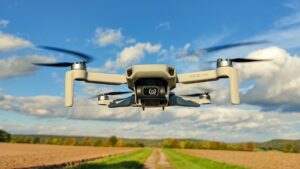
Mavic & Mini Series: The consumer kings. The 249g Mini was a genius move—it’s specifically weighted to dodge FAA registration laws. It’s a “legal hack” in a box.
-
Air & Pro Series: The heavy hitters for Hollywood. We’re talking Hasselblad cameras shooting 5.1K Apple ProRes.
-
Agras Series: These things are literal tanks with props. An Agras can spray 40 acres of crops in an hour, doing the job of a tractor in a fraction of the time.
-
Matrice Series: The industrial “Swiss Army Knife.” These carry thermal cams to find missing hikers or inspect high-voltage power lines without killing a technician.
The “Evolution” by the Numbers:
| Feature | The Early “Brain” (2006) | Modern Mavic 3 Pro (2026) | The Leap |
| Hover Precision | +/- 5 meters (sketchy) | +/- 0.1 meters (RTK locked) | 50x Sharper |
| Transmission Range | 300 meters (if you’re lucky) | 15,000 meters (9.3 miles) | 50x Further |
| Setup Time | 60 mins (soldering required) | 30 seconds (unfold & go) | 120x Faster |
Chapter 3. Crashes, Spies, and the White House “Oh S***” Moment
You don’t get this big without breaking some glass.
DJI’s tech has landed them in the middle of some wild headlines.
-
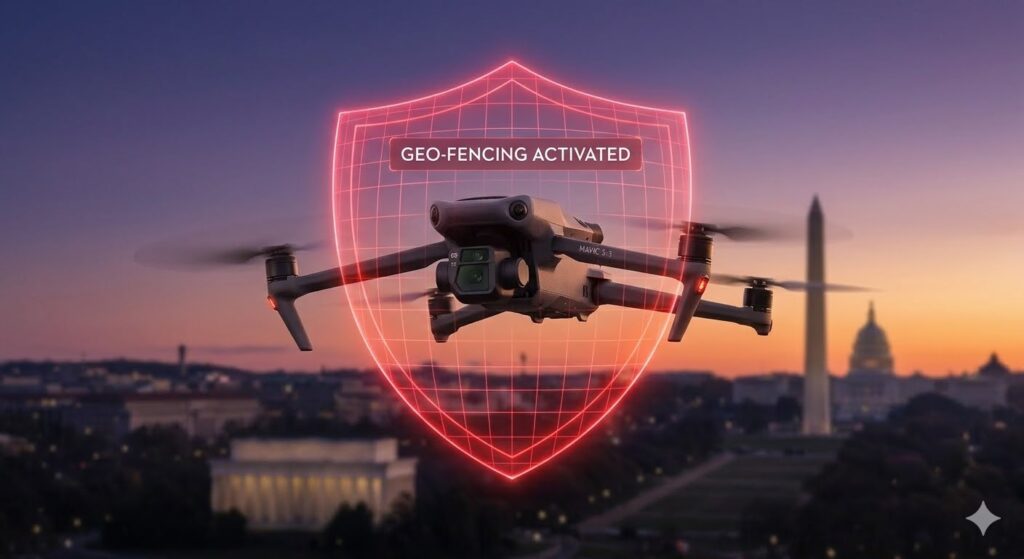
The White House Lawn Incident: Back in 2015, some tipsy government employee crashed a Phantom on the White House lawn. DJI’s response? A mandatory software update within days that “geo-fenced” every government building on the planet. Talk about a power move.
-
The “Spyware” Scare: In 2017, the US Army pulled the plug on DJI, worried data was leaking to servers in China. But here’s the kicker: a 2021 audit showed their “Government Edition” drones were clean. No malicious code, no backdoors. Just solid engineering.
Pro Tip: Geo-fencing > DJI’s “Safe Fly” database has over 10,000 airports and restricted zones baked into the code. If you try to take off near LAX, the drone literally says “No” and won’t spin the motors.
Chapter 4. The Trade War: DJI vs. Uncle Sam
In December 2020, the US Department of Commerce put DJI on the “Entity List” (the blacklist). They tried to starve them of US tech and investment.
Why did DJI just keep winning?
-
The Specs Gap: When the ban hit, US agencies realized the American-made alternatives cost 3x more and had half the flight time.
-
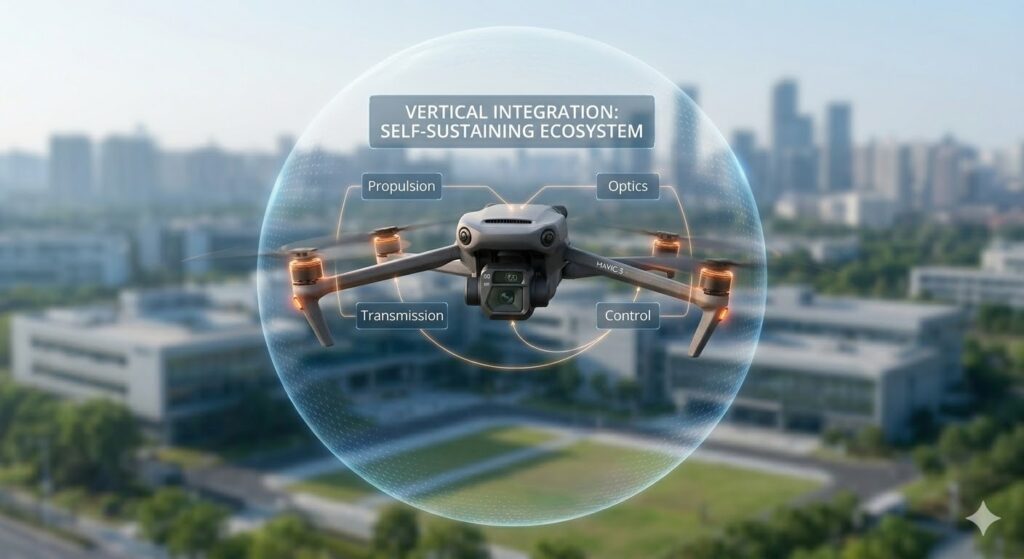
Vertical Integration: DJI owns the whole factory. They make their own motors, their own gimbals, and their own optics. You can’t sanction a company that builds its own sandbox.
Expert Take:
“Trying to ban DJI in 2026 is like trying to ban gravity. They’ve become the industry standard. Even US law enforcement is still using their ‘Government Edition’ rigs because, honestly, the competition isn’t even in the same zip code.”
— Hans Krueger, CTO at «AeroSecure Solutions» (Germany)
The Bottom Line: Can Anyone Catch Them?
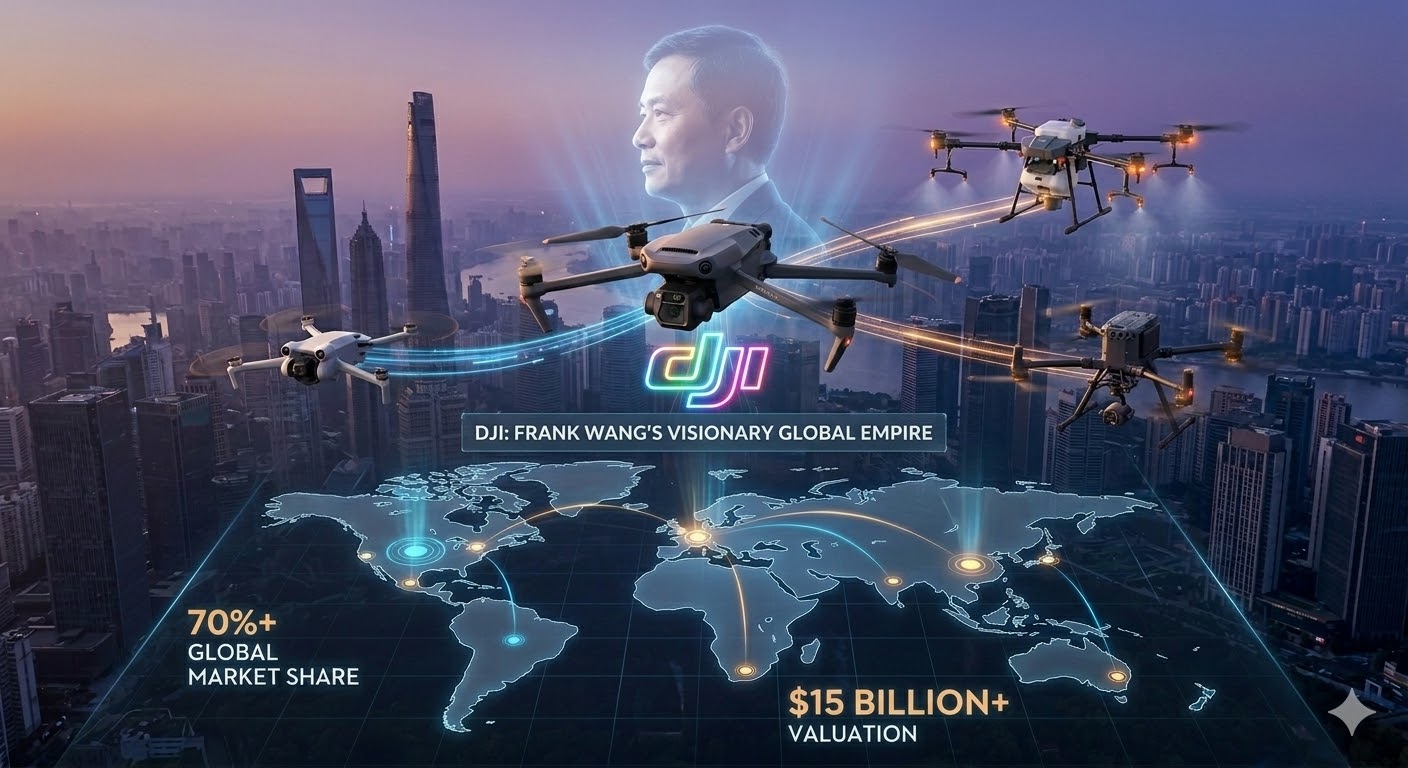
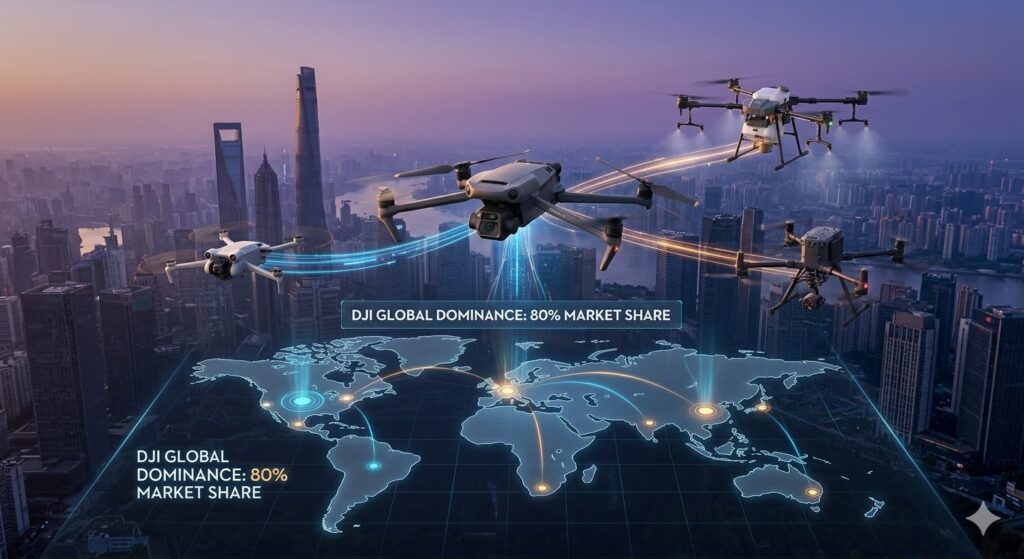
DJI owns roughly 70-80% of the global civilian drone market. They went from soldering wires in a dorm room to building 40-acre-an-hour crop dusters.
The Final Stats:
-
$15 Billion+ market valuation.
-
100+ Countries using their tech for search and rescue.
-
0.1% Gyro Error: Their modern sensors are a hundred times more stable than the tech from just a decade ago.
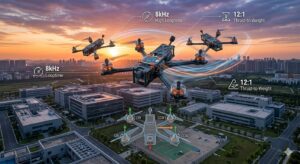
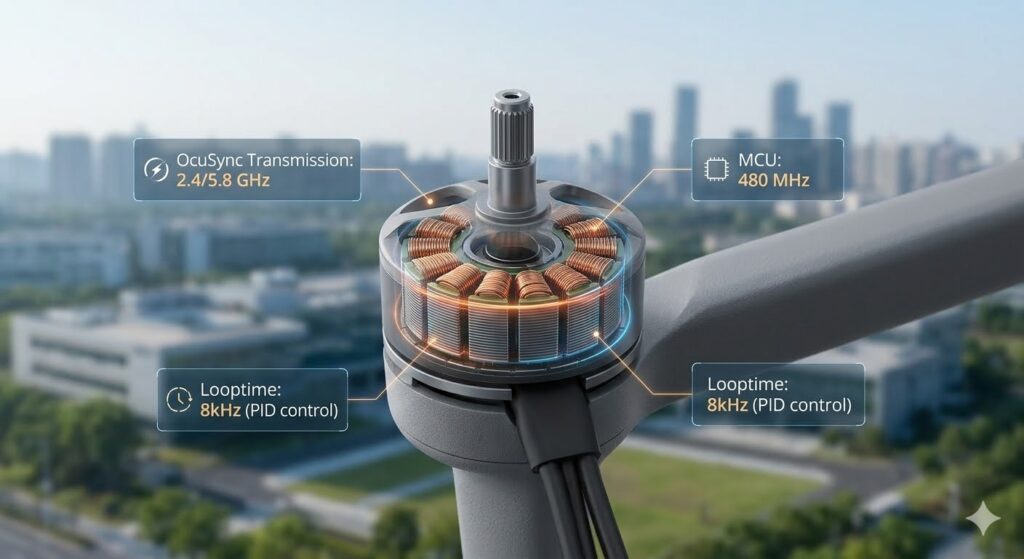
DJI proved that to own the sky, you don’t just need wings—вы need a brain that can crunch data at 8kHz. While everyone else is playing catch-up with 2020 tech, Frank Wang is already building the 2030s.